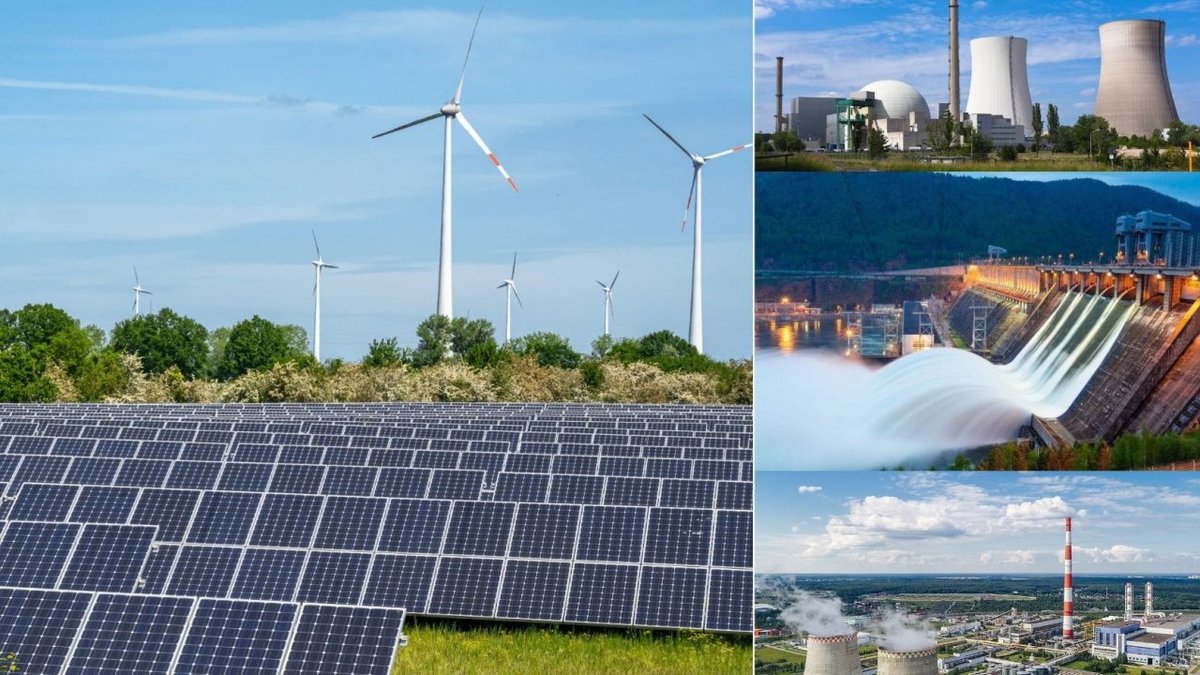
The humming of power lines across Colorado, Nebraska, New Mexico, and Wyoming isn't just the sound of electricity flowing; it's the rhythm of an energy revolution. Across this vast region, Tri-State Power Generation Technologies are rapidly evolving, orchestrating a complex dance between innovation, reliability, and the urgent need for a cleaner future. As your lights flicker on and your devices charge, an intricate web of solar arrays, wind farms, natural gas plants, and vast transmission networks are working in concert, all guided by a commitment to serve over a million homes and businesses with dependable, affordable, and increasingly clean energy. This isn't just about switching energy sources; it's about redefining how a critical power supplier sustains communities while embracing ambitious environmental goals.
At a Glance: Tri-State's Energy Transformation
- Diverse Mix: Tri-State relies on a balanced portfolio of solar, wind, natural gas, hydropower, and battery storage.
- Clean Energy Goals: Aiming for 50% renewable energy by 2025, and 70% clean energy by 2030.
- Reliability First: Natural gas plants provide crucial on-demand power, ensuring stability during peak demand or extreme weather.
- Market Expansion: Increasing participation in the Southwest Power Pool (SPP) RTO for enhanced reliability and cost savings.
- Member Empowerment: Programs like "Bring Your Own Resource" allow local communities to develop clean energy projects.
- Extensive Infrastructure: Nearly 6,000 miles of high-voltage transmission lines ensure power delivery across the rural West.
- Cooperative Model: As a not-for-profit, democratically governed cooperative, Tri-State prioritizes affordable rates and member benefits.
The Energy Evolution: Balancing Reliability, Affordability, and the Planet
Imagine trying to steer a massive ship through changing seas – that's the challenge facing utility providers today. The call for cleaner energy is undeniable, but the lights must stay on, and rates must remain manageable. Tri-State, a wholesale power supplier since 1952, finds itself at the forefront of this delicate balancing act. Its mission? To deliver reliable, affordable, and increasingly clean power to its member cooperatives and public power districts across four rural states. This isn't a static target; it's a dynamic strategy that involves significant investment in new technologies, strategic market integration, and a deep understanding of the unique needs of the rural West.
The journey toward 70% clean energy by 2030 isn't just an aspiration; it's a carefully mapped transition that leverages the strengths of diverse generation sources. It’s about building a future where your energy is not only sustainable but also more resilient to disruptions.
The Pillars of Power: Tri-State's Diverse Generation Portfolio
Tri-State's approach to power generation is akin to a finely tuned orchestra, where each instrument plays a vital role. No single technology can meet all demands; instead, a mix of energy sources provides the flexibility and stability required for a modern grid.
Harnessing Nature's Abundance: The Rise of Renewables
The vast, open landscapes of the Tri-State service territory are ripe for harvesting nature's most abundant resources: wind and sun.
- Solar Power: From utility-scale solar farms stretching across sun-drenched plains to smaller, local installations, solar power is rapidly expanding its footprint. Once built, these facilities have incredibly low operating costs and produce zero emissions, contributing significantly to Tri-State's clean energy goals.
- Wind Power: Towering wind turbines, increasingly efficient and powerful, capture the prevailing winds to generate electricity. Like solar, wind farms offer the dual benefits of low operational costs and no fuel expenses after construction. Large wind and solar farms also provide substantial local tax benefits, injecting economic vitality into the communities they serve.
Tri-State currently boasts over a dozen renewable projects in operation, with many more under development. This aggressive expansion underlines the commitment to achieving 50% renewable energy for its members by 2025. It's a clear signal that the future of power here is increasingly green.
Reliability's Backbone: Natural Gas and Hydropower
While renewables are the engines of the clean energy transition, they are, by their nature, intermittent – the sun doesn't always shine, and the wind doesn't always blow. This is where the critical role of dispatchable power sources comes into play.
- Natural Gas: Modern natural gas plants are the unsung heroes of grid reliability. They can ramp up and down quickly, providing essential on-demand capacity when renewable output is low, energy use is high, or extreme weather events threaten the grid. This flexibility is non-negotiable for maintaining stability and preventing blackouts. Unlike renewables, natural gas generation operates independently of weather conditions, offering a crucial layer of energy security. Tri-State strategically utilizes natural gas to ensure that even as the grid becomes cleaner, it remains rock-solid.
- Hydropower: A long-standing, reliable source, federal hydropower has been a part of Tri-State's energy mix since 1952. Hydropower provides consistent, clean energy, acting as another critical component of the baseload power needed to keep the grid stable. Tri-State also maintains long-term power purchasing contracts with entities like the Western Area Power Administration (WAPA) and Basin Electric Power Cooperative, securing cost-effective electricity from diverse sources. You can learn more about tri-state generation and the variety of sources that contribute to keeping the lights on.
The Future's Enabler: Battery Storage
The Achilles' heel of intermittent renewables – their inability to store excess power for later use – is rapidly being addressed by utility-scale battery storage.
- Grid-Scale Batteries: Tri-State is actively adding large battery storage systems to its portfolio. These powerful installations can store electricity generated during periods of high renewable output (e.g., a sunny, windy afternoon) and release it back to the grid when demand is high or renewable generation is low (e.g., after sunset). This technology is revolutionizing how we can effectively integrating renewable energy into the grid, making solar and wind far more reliable and valuable. Battery storage helps maximize the efficiency of renewables, preventing curtailment and ensuring that every photon and gust of wind is put to good use.
Phasing Out the Past: The Responsible Retirement of Coal
The energy landscape is not just about adding new technologies; it's also about responsibly transitioning away from older ones. Tri-State's coal operations in Craig, Colorado, which have long provided reliable power, are scheduled to retire by 2028. This decision reflects a strategic shift driven by both economic realities and ambitious emissions reduction goals. It's a testament to Tri-State's commitment to a cleaner future while carefully managing the transition for its workforce and the local community.
Strengthening the Grid: Beyond Generation
Generating electricity is only half the battle; getting it to where it's needed is equally complex. Tri-State's focus on reliability extends far beyond the power plant gates.
The Power Superhighways: Tri-State's Transmission Network
Imagine a vast network of invisible superhighways crisscrossing the rural West – that's Tri-State's transmission system. Nearly 6,000 miles of high-voltage lines transport electricity from centralized generation sites, sometimes hundreds of miles away, to substations closer to communities. From there, the power is stepped down and distributed to local member cooperatives.
This critical infrastructure requires constant vigilance and maintenance. Tri-State's dedicated transmission department, comprising substation technicians, telecommunications specialists, and lineworkers, ensures that this intricate system operates smoothly, even under challenging conditions. Without this robust network, the benefits of modern generation technologies would never reach your home or business.
Joining Forces: Regional Transmission Organizations (RTOs)
To further enhance grid efficiency, reliability, and affordability, Tri-State is expanding its participation in the Southwest Power Pool (SPP) Regional Transmission Organization (RTO). Think of an RTO as a sophisticated air traffic controller for the electrical grid, managing power flow across a multi-state region to optimize resources and prevent bottlenecks.
- Enhanced Reliability: SPP membership allows for better coordination of power generation and transmission across a larger footprint, improving the grid's ability to withstand disturbances and ensuring a more stable power supply, particularly during extreme weather events.
- Cost Savings: By participating in an organized wholesale power market, Tri-State can buy and sell electricity more efficiently, leveraging market dynamics to secure power at the best possible price. This move, supported by Colorado regulators, is projected to save millions annually, a benefit that directly translates to more affordable rates for members.
- Improved Grid Efficiency: RTOs help maximize the utilization of existing transmission infrastructure and optimize the dispatch of generation resources, leading to a more efficient and resilient grid. Expanding participation in these regional transmission organizations is a strategic imperative for the future. Tri-State has filed an Organized Wholesale Market Application with the Colorado Public Utilities Commission (CoPUC) to solidify this expansion.
Empowering Members: Local Control and Innovation
Tri-State's cooperative model isn't just about providing wholesale power; it's about empowering its members and the communities they serve. This philosophy is reflected in programs that foster local energy development.
The "Bring Your Own Resource" Program
Imagine your local community wanting to build its own solar farm or wind turbine. Tri-State's innovative "Bring Your Own Resource" program makes this a reality. This initiative allows member utilities to develop their own flexible, clean energy projects, fostering local economic development and energy independence.
Each proposed project undergoes an independent evaluation to ensure it meets rigorous reliability, economic, and environmental criteria. This ensures that while local innovation is encouraged, the overall stability and affordability of the grid are maintained. It's a powerful example of how Tri-State is democratizing energy generation and encouraging community-led energy initiatives.
Self-Supply Options
Beyond the "Bring Your Own Resource" program, members also have the option to self-supply a portion of their power by developing local electric resources. This flexibility further empowers communities to tailor their energy mix to their specific needs and local renewable potential, working in partnership with Tri-State to ensure seamless integration into the broader system.
The Tri-State Difference: A Cooperative Approach to Energy
What truly sets Tri-State apart is its cooperative DNA. As a not-for-profit electric cooperative, it is democratically governed, with locally-elected representatives from each member utility serving on its board. This ensures that decisions are made with the best interests of its members and their communities at heart.
- Affordable Rates: Unlike investor-owned utilities, Tri-State doesn't have shareholders demanding profits. Its primary goal is to maintain affordable rates for its members, achieved by strategically investing in low-cost renewable power and participating in regional power markets.
- Robust Reliability Planning: Tri-State doesn't gamble with reliability. It utilizes industry-leading reliability metrics, backed by over 20 years of data, to plan meticulously for extreme weather events and other potential disruptions. This proactive approach ensures that the grid can withstand challenges and recover quickly.
- Forward-Thinking Leadership: As CEO Duane Highley states, Tri-State's focus is clear: "serving growth, reducing risks, and hedging against tightening energy markets for the benefit of members and their communities." This holistic perspective underscores the cooperative's commitment to long-term sustainability and member well-being.
Looking Ahead: The Road to 70% Clean Energy by 2030
The journey towards a cleaner, more reliable energy future is ongoing, and Tri-State is firmly on track. The goal of achieving 70% clean energy usage by its members by 2030 is ambitious, but it's grounded in a robust strategy and tangible progress. From the expansion of solar and wind to the deployment of utility-scale battery storage and strategic market participation, every step is carefully considered to ensure a seamless transition.
This isn't just about meeting a percentage target; it's about building a fundamentally stronger, more sustainable energy system that will serve the rural West for generations to come. It’s about creating an energy future that is not only clean but also secure, affordable, and resilient.
Your Role in the Evolving Energy Landscape
Understanding the complexities of Tri-State Power Generation Technologies means you're not just a consumer; you're an informed stakeholder in this vital energy transition. As Tri-State continues to innovate and expand its clean energy portfolio, the benefits will ripple through your community – from cleaner air and local economic boosts to more stable and affordable energy rates. By staying informed and supporting these strategic shifts, you play a part in powering a reliable, clean future for the rural West.