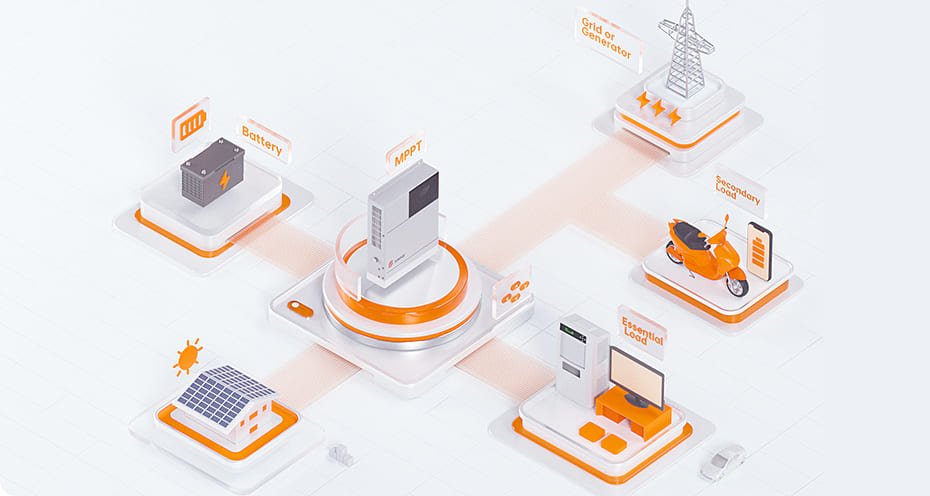
The global push for a clean energy future is undeniable, with governments across Asia and beyond accelerating the shift to renewables. But bringing vast amounts of intermittent solar and wind power online requires more than just panels and turbines; it demands sophisticated infrastructure to manage and store energy. This is where Energy Storage Solutions for Regional Grids become indispensable, acting as the critical backbone for a reliable, resilient, and decarbonized power system. Without effective storage, the promise of clean energy could be hampered by grid instability, higher costs, and slower progress toward ambitious climate goals.
At a Glance: Powering Tomorrow's Grids Today
- The Core Challenge: Integrating intermittent renewables like solar and wind, managing aging infrastructure, and streamlining regional power exchanges.
- The Solution: Electrical Energy Storage (EES) systems, ranging from pumped hydro to advanced batteries, coupled with smart grid intelligence.
- Key Benefits: Enhanced grid reliability, reduced congestion, accelerated decarbonization, improved energy security, and lower costs.
- Leading Technologies: Pumped Hydro Storage (PHS), Compressed Air Energy Storage (CAES), and Advanced Battery Energy Storage (ABES) are primary players.
- Smart Integration: Battery Management Systems (BMS), Energy Management Systems (EMS), and AI platforms optimize storage and grid operations.
- Policy Support: Government initiatives and financial incentives, like the U.S. Investment Tax Credit, are driving rapid deployment.
The Grid's Toughest Challenge: Balancing Power in a Renewable World
Our existing electricity grids, often decades old, face immense pressure. As countries integrate massive amounts of renewable energy, new hurdles emerge:
- Intermittency: Solar panels generate power only when the sun shines, and wind turbines spin only when the wind blows. This variability makes balancing supply and demand a constant challenge, potentially leading to excess energy curtailment or shortages.
- Aging Infrastructure: Many regional grids were designed for centralized, fossil-fuel generation. They struggle to accommodate the decentralized nature of renewables, leading to congestion, inefficiencies, and reliability risks, particularly in regions like Asia.
- Regional Integration Complexities: Initiatives like the ASEAN Power Grid aim to enable cross-border power trades and enhance energy security. However, complex policy, regulatory frameworks, and disparate infrastructure hinder seamless integration.
Unresolved, these issues threaten to drive up electricity costs, cause blackouts, and slow the vital transition to clean energy. This is where energy storage steps in, not as a luxury, but as a necessity, transforming variability into reliability and empowering regional collaboration.
What is Electrical Energy Storage (EES) and Why Does It Matter?
At its core, an Electrical Energy Storage (EES) system does precisely what its name implies: it stores electricity and converts it back into electrical energy when needed. Think of it as a giant, rechargeable battery for the grid. These systems are characterized by two key metrics:
- Rated Power (W): How much electricity it can deliver at any given moment.
- Energy Storage Capacity (Wh): How much electricity it can store over time.
The U.S. has been a pioneer in this field, with the Rocky River Pumped Storage plant dating back to 1929. Today, the energy storage market is booming. The U.S. saw a record 12.3 GW of new installations in 2024, with another 15.2 GW projected for 2025. Globally, the total rated power for EES systems reached 178 GW, with the U.S. accounting for 49% of the 1,643 operational projects. California leads U.S. capacity with 15.5 GW, followed closely by Texas. This rapid growth underscores the critical role EES plays in modernizing and greening our grids.
EES systems unlock significant value, offering an estimated economic benefit of $228 billion in the U.S. over a decade. They save money by storing off-peak energy for use during peak times, prolong existing infrastructure lifetimes, and crucially, accelerate the adoption of variable renewables.
The Workhorses of the Grid: Key Energy Storage Technologies
Energy storage isn't a one-size-fits-all solution. Different technologies offer varying power capacities, discharge durations, efficiencies, and geographical requirements. Understanding these differences is key to deploying the right solutions for regional grids.
Pumped Hydroelectric Storage (PHS): The Established Giant
PHS systems are the most mature and widely deployed form of grid-scale energy storage, accounting for 90% of global EES capacity and 96% in the U.S. They operate on a simple principle: when electricity is cheap or abundant (e.g., from excess wind or solar), water is pumped from a lower reservoir to an upper one. When power is needed, the water is released, flowing downhill through turbines to generate electricity.
- Lifespan & Efficiency: PHS plants boast impressive operational lifetimes of 50-60 years and efficiencies typically ranging from 70-85%.
- Scale: These are large-scale systems, capable of power capacities up to 1 GW and discharge times of tens of hours, making them excellent for long-duration storage.
- Geographical Limitation: Their main drawback is the need for specific topographies—two reservoirs at different elevations, making them geographically restricted.
- Recent Trends: While PHS has dominated for decades, its share of utility-scale power capacity in the U.S. has dropped from 93% in 2019 to 70% in 2022 due to the rapid rise of battery storage. However, annual PHS additions have nearly doubled since 2022, indicating continued investment in this reliable technology.
Compressed Air Energy Storage (CAES): Harnessing Underground Power
CAES systems offer another large-scale, long-duration storage option. They work by using excess electricity to compress air, storing it in vast underground caverns, such as salt domes or depleted natural gas reservoirs. When power is required, the pressurized air is released, heated, and expanded through a natural gas combustion turbine to drive a generator.
- Scale & Efficiency: Existing CAES plants, like the 110 MW facility in Alabama (the only operational one in the U.S. as of 2024), achieve efficiencies of 42-55%. They can provide power for tens of hours.
- Environmental Benefit: By separating the compression and combustion processes, CAES systems can reduce CO₂ emissions by 40-60% compared to traditional gas turbines.
- Geographical Limitation: Like PHS, CAES requires specific geological formations for air storage, limiting potential deployment sites.
Advanced Battery Energy Storage (ABES): The Fast-Growing Contender
Batteries are rapidly changing the energy storage landscape. ABES systems store electricity as chemical energy using electrodes and an electrolyte, then convert it back when discharged. The U.S. currently has 431 operational battery energy storage projects, totaling 27 GW of rated power in 2024.
- Diverse Chemistries: While lithium-ion is the most prevalent, ABES encompasses a range of technologies, including lead-acid, nickel-based, sodium-based, and flow batteries (such as vanadium redox flow batteries mentioned in the context of long-duration solutions).
- Lithium-ion Dominance: Lithium-ion batteries are experiencing explosive growth due to their high energy density, power output, near 100% efficiency, and low self-discharge rates. The U.S. holds 1.8 Mt (6% of global) lithium reserves, supporting this growth.
- Efficiency: Overall, ABES systems achieve round-trip efficiencies between 60-95%, with lithium-ion at the higher end.
- Flexibility: Unlike PHS and CAES, batteries are less geographically restricted, making them highly versatile for deployment across regional grids. They excel in applications requiring power for seconds to about 6 hours.
Flywheel Energy Storage (FES): The High-Speed Stabilizer
FES systems store kinetic energy by spinning a rotor at extremely high speeds (up to 100,000 RPM). When energy is needed, the rotor's kinetic energy is converted back into electricity; when excess energy is available, it's used to accelerate the rotor.
- Use Case: FES is primarily used for grid management and ancillary services rather than long-term energy storage. It excels in high-power, low-energy applications that require very rapid response times.
- Efficiency: FES systems operate with efficiencies between 85-87%.
- Scale: In 2024, FES systems provided 47 MW of rated power in the U.S., significantly smaller than other technologies but vital for grid stability.
Other Emerging Solutions: Hydrogen and Thermal Storage
- Thermal Energy Storage (TES): Stores thermal energy to be converted to electricity or used directly.
- Hydrogen Energy Storage (HES): Converts electricity into hydrogen, which can then be stored and later converted back to electricity via fuel cells or turbines. HES, along with CAES and PHS, is considered a viable technology for meeting the vast Long Duration Energy Storage (LDES) needs of a future zero-carbon grid. The U.S. Department of Energy (DOE) is targeting an LCOS (Levelized Cost of Storage) of 5¢/kWh by 2030 for LDES, a 90% reduction from 2020.
Smart Grids: Intelligence Powering Storage and the Network
Having impressive energy storage hardware is only half the battle. To maximize its effectiveness, regional grids need intelligence. Smart grid technologies transform raw power into optimized, responsive energy flow.
- Intelligent Controls: Battery Management Systems (BMS) and Energy Management Systems (EMS) are crucial. BMS monitors individual battery cells, ensuring safety and extending lifespan, while EMS oversees the entire energy ecosystem, orchestrating when and how energy is stored or released.
- AI-Driven Platforms: Artificial intelligence takes this a step further, transforming vast amounts of grid data into actionable insights. AI platforms use predictive analytics to anticipate supply and demand fluctuations, optimize power flow across the grid, and even facilitate grid trading platforms.
- Enabling Regional Collaboration: These smart controls are essential for empowering regional renewable initiatives and enabling reliable cross-border power trades. By combining safe, scalable storage with smart energy intelligence, countries can accelerate decarbonization, improve energy security, and foster a truly clean energy-powered world. Understanding dynamic generation and consumption patterns, perhaps like those seen in Learn about tri-state generation initiatives, is paramount for optimizing these systems.
Beyond Storage: The Multifaceted Applications of EES
Energy storage isn't just about holding power; it's about solving a multitude of grid challenges and creating economic value. EES systems have diverse applications:
- Energy Arbitrage: Storing low-cost, off-peak electricity (e.g., from abundant overnight wind or midday solar) and discharging it during high-demand, high-price peak hours. This saves money and optimizes resource use.
- Generation & Transmission/Distribution Capacity Deferral: By deploying storage strategically, grid operators can defer costly upgrades to power plants or transmission lines. The stored energy can bridge gaps, reduce congestion, and prolong existing infrastructure.
- Ancillary Services: EES systems can provide critical grid services like frequency regulation, voltage support, and reactive power, which maintain grid stability and power quality. Flywheels, for instance, excel in these rapid-response applications.
- Ramping: Variable renewables can experience sudden drops or surges in output. Storage can quickly "ramp up" or "ramp down" its discharge to smooth these fluctuations, ensuring a stable power supply.
- Renewable Curtailment Reduction: When renewable generation exceeds immediate demand and grid capacity, excess power is often "curtailed" or wasted. Storage captures this excess, turning potential waste into a valuable resource.
- End-User Applications: Beyond the utility scale, EES helps industrial and commercial users manage energy costs, improve power quality, enhance reliability (e.g., during outages), and further integrate their own renewable sources.
These applications demonstrate how EES not only accelerates renewable adoption and boosts grid reliability but also contributes to lowering overall energy costs for consumers and industries alike.
The Economic and Environmental Bottom Line: Value and Sustainability
The cost-effectiveness and environmental performance of energy storage are continuously improving, making it an increasingly attractive investment for regional grids.
- Levelized Cost of Storage (LCOS): This metric helps compare the total cost of different storage technologies over their lifetime. While it varies significantly, Compressed Air Energy Storage (CAES) generally offers lower LCOS compared to zinc and lithium-ion batteries, especially for long-duration applications. The DOE's ambitious Long Duration Storage Shot aims for an LCOS of 5¢/kWh by 2030, a 90% reduction from 2020, which would be transformative for grid economics.
- Economic Value: As mentioned, EES systems deliver substantial economic value, estimated at $228 billion in the U.S. over a decade, by optimizing grid operations and avoiding costly infrastructure investments.
- Environmental Performance: Grid-connected energy storage systems are designed for a net reduction in environmental impacts. Their environmental performance is primarily influenced by factors like round-trip efficiency, annual degradation rates, and the heat rate of the generators used to charge them (if applicable). By enabling greater renewable penetration, storage significantly reduces reliance on fossil fuels, leading to lower carbon emissions and a cleaner energy mix. Achieving a zero-carbon future by 2050 in the U.S. would require an astounding 930 GW of storage capacity, including 225-460 GW of long-duration energy storage (LDES), for which PHS, CAES, and Hydrogen are the most viable contenders.
The Policy Landscape: Paving the Way for Storage Deployment
Government policies and regulatory frameworks play a pivotal role in accelerating the deployment of energy storage solutions for regional grids. Around the world, supportive measures are emerging:
- Deployment Targets: Twelve U.S. states have established statewide energy storage deployment targets. Michigan, for example, aims for 2.5 GW by 2030, signaling a clear commitment to storage.
- Federal Funding: The U.S. Department of Energy (DOE) has provided significant funding, including $185 million from the American Recovery and Reinvestment Act, supporting 16 large-scale projects totaling over 0.53 GW.
- Regulatory Mandates: The Federal Energy Regulatory Commission (FERC) has issued Order No. 841, which mandates wholesale electricity markets to establish participation models for energy storage resources, ensuring they can compete and provide services like any other generation or load resource. This ensures a level playing field and unlocks new revenue streams for storage.
- Financial Incentives: States like California have implemented significant financial incentives, such as the Self-Generation Incentive Program, which authorized $280 million for residential solar and storage projects. Federally, the 2022 Inflation Reduction Act (IRA) provided a substantial 30% Investment Tax Credit (ITC) for standalone energy storage technologies, extended through 2032 (though recent legislation reverts this to 2027), making projects more financially viable. This kind of robust policy support is essential for scaling up storage across all regional grids. These initiatives often work in conjunction with broader strategies to manage diverse generation sources and ensure grid stability, much like comprehensive planning for Learn about tri-state generation models.
Choosing the Right Solution: A Decision Framework
Selecting the optimal energy storage solution for a regional grid involves a careful evaluation of needs, capabilities, and constraints. Here are key considerations:
- Duration of Discharge: How long does the grid need power from storage? Short-duration (seconds to 6 hours) needs might favor batteries or flywheels, while long-duration (tens of hours) points to PHS, CAES, or potentially hydrogen.
- Power Capacity: How much power (in MW) does the system need to deliver at once? PHS and large battery farms offer high power.
- Response Time: How quickly must the storage system react to grid fluctuations? Flywheels and some battery types are excellent for immediate response.
- Geographical Constraints: Are suitable sites available for PHS (reservoirs) or CAES (underground caverns)? If not, more flexible technologies like batteries become essential.
- Levelized Cost of Storage (LCOS): Beyond upfront costs, consider the total cost of ownership over the project's lifetime.
- Environmental Impact: Evaluate the lifecycle environmental footprint, including material sourcing, manufacturing, operation, and recycling.
- Specific Grid Needs: Is the primary goal frequency regulation, peak shaving, renewable integration, or capacity deferral? Each application might point to a different optimal technology.
- Regional Collaboration: For cross-border power grids, consider how different storage technologies can complement each other across a wider geographical area and how they integrate with existing infrastructure, such as major power delivery systems crucial for Learn about tri-state generation.
The Future is Stored: Preparing for a Zero-Carbon Grid
The trajectory for energy storage is clear: rapid growth and increasing sophistication. As the world pushes for decarbonization, the demand for long-duration energy storage (LDES) will escalate dramatically. Projections indicate that achieving a zero-carbon future by 2050 will require hundreds of gigawatts of LDES capacity. Innovation in materials science, battery chemistry, and smart grid AI will continue to drive down costs and improve performance, making even more ambitious renewable energy targets achievable.
For regional grids, this means a future where clean power is not just generated but intelligently managed, stored, and dispatched precisely when and where it's needed. It's a future of enhanced energy security, reduced reliance on volatile fossil fuel markets, and a resilient, reliable electricity supply that supports economic growth and environmental stewardship.
Your Path Forward: Embracing Energy Storage
The transition to a clean energy future is no longer a distant dream but an ongoing reality, and energy storage is at its heart. Whether you're a policymaker grappling with grid stability, a utility planner seeking to integrate more renewables, or an industry leader looking to secure reliable power, understanding and deploying the right Energy Storage Solutions for Regional Grids is paramount.
Start by assessing your specific grid's needs: What are your key pain points – intermittency, congestion, high peak costs? Research the available technologies, paying close attention to their duration capabilities, power output, and geographical fit. Engage with experts in smart grid technologies to explore how intelligent controls and AI can optimize your storage investments. And stay abreast of evolving policy incentives that can significantly impact project viability. The potential to unlock clean power, reduce costs, and build a more resilient energy future is immense, and it begins with smart storage.